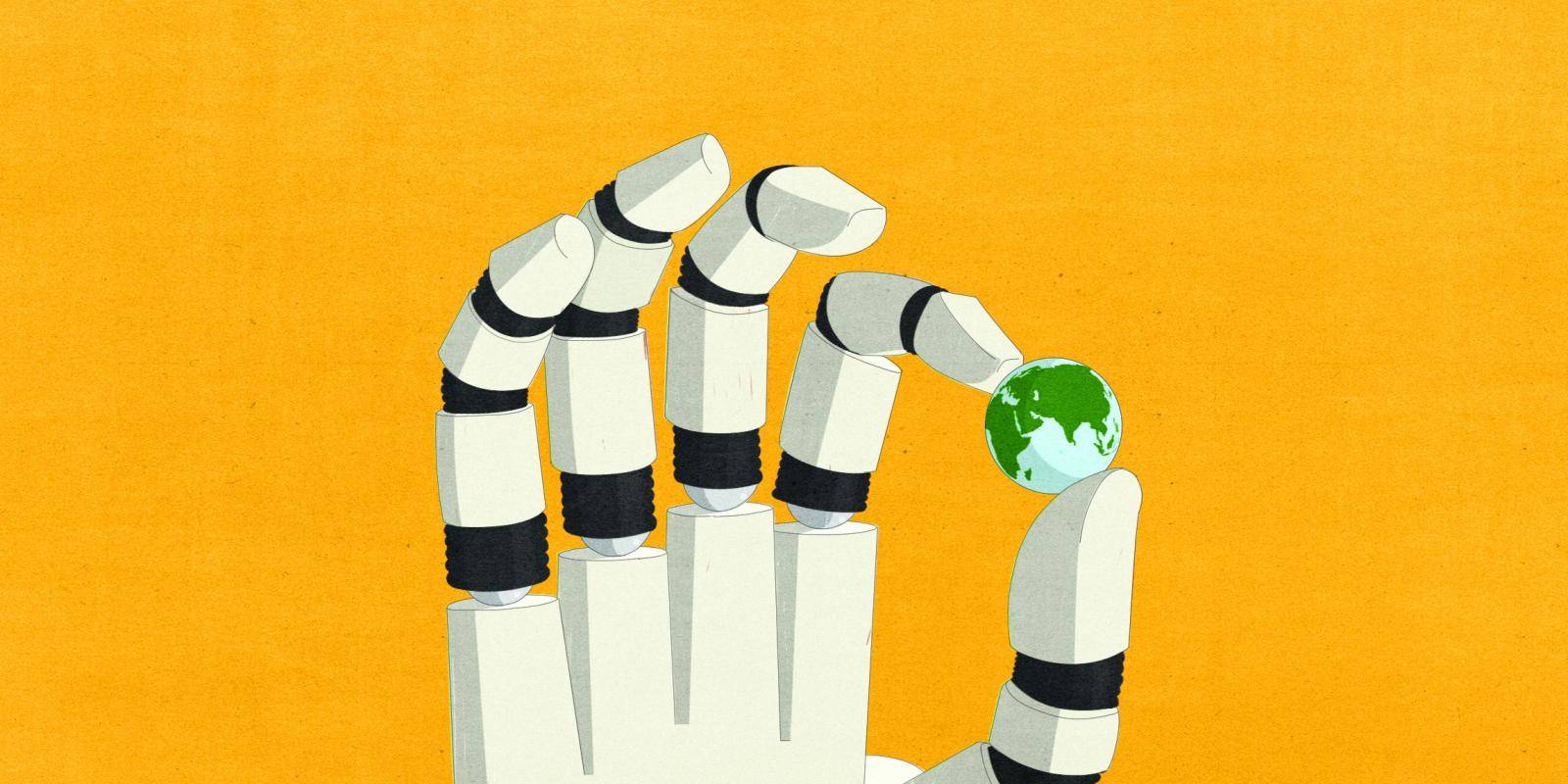
THE WORLD TODAYFrom risk to revolution: How AI can revive democracyNow is the moment for governments to wrest the initiative from the tech sector and use AI to innovate for the public good, writes Alex Krasodomski.
THE WORLD TODAYDavid Shrier: ‘AI could add 10% to global GDP by 2032’The expert on technological change talks to Roxanne Escobales about the potential of AI, principles-based regulation and the disruptive impacts of ‘flash growth’.
THE WORLD TODAYWhy AI must be decolonized to fulfill its true potentialData gaps, western bias and extractive business models limit AI’s effectiveness and perpetuate historic harms, writes Mahlet Zimeta.
THE WORLD TODAYFrom the editorAs society grapples with the rapidly developing power of artificial intelligence, we examine the likely impact of AI on democracy and international relations, its imperial hangover and much more.
THE WORLD TODAYEagle View: America’s biggest international challengesDaniel Drezner introduces his new column and explains how he will address populism, climate change, the global economy and much more through a US lens.
THE WORLD TODAYGlobal warming: Why focusing on 1.5C is flawed Limiting global heating to 1.5C will not make the world safe. Instead, we should decide on the tipping points we wish to avoid, write Henry Throp and Laurie Laybourn.
THE WORLD TODAYThe rise of Javier Milei has changed Argentina foreverThe right-wing populist presidential candidate has become a viral phenomenon with his radical proposals, but how he would govern remains a mystery, writes Pablo Touzon.
THE WORLD TODAYCOP28 must tackle climate impacts that cascade over bordersCascading risks require international solidarity, especially in an era of increasingly tense climate politics, writes Ruth Townend.
THE WORLD TODAYHow to deal with military AI’s Oppenheimer momentPrivate sector defence tech firms are necessarily opaque. But too much secrecy puts them dangerously beyond democratic control, writes Yasmin Afina.
THE WORLD TODAYWhy Chile’s Santiago Boys launched Project CybersynIn the early 1970s, Chile ran its economy with the cybernetic theories of Stafford Beer. Writer Evgeny Morozov tells Mike Higgins about the project’s enduring legacy.
THE WORLD TODAYCOP28: Can oil-rich UAE lead global climate action?The president of COP28, the UAE’s Sultan Al Jaber, believes fossil fuel industries must be in key climate talks, but critics remain doubtful, writes Mike Higgins.
THE WORLD TODAYBeijing briefing: The problem with China’s brain gainWestern suspicions and high salaries are encouraging Chinese science talent back home – but Beijing’s isolationism is not helping the cause, writes Yu Jie.
THE WORLD TODAYDate with history: How the oil crisis changed the worldAfter Opec cut oil production on October 17, 1973, millions were displaced from Afghanistan and Syria, transforming global politics, argues Randall Hansen.


Comments
Post a Comment